

Where Do Zoom Recordings Go? Find Your Zoom Recording Location
Unlock the power of AI — Notta's meeting assistant records, transcribes and summarizes meeting minutes with one click.
When a Zoom meeting ends, your recording goes to one of two places depending on how it was recorded and what kind of account you have. Knowing which applies to you is the first step to finding it quickly.
Local (computer) recordings are saved directly to your device as MP4 files. These are available to all Zoom accounts, including free ones, but you have to be the host or have been granted permission to record. The recording is processed and saved to your computer automatically after the meeting ends.
Cloud recordings are saved to Zoom's servers rather than your device. These require a paid Zoom account (Pro, Business, or Enterprise). Hosts and co-hosts can start cloud recordings, and the finished files appear in the Zoom web portal once processing is complete.
If you're on a free Zoom account, cloud recordings won't be available to you. Everything you record goes locally to your computer.
Where Are Local Zoom Recordings Saved?
Zoom saves local recordings to a default folder on your device. The exact path depends on your operating system.
Windows
By default, Zoom saves recordings to:
C:\Users\[YourUsername]\Documents\Zoom
Inside this folder, each meeting gets its own subfolder named with the date and meeting topic. Open that folder and you'll find at minimum an MP4 file (the video), an M4A file (audio only), and sometimes a chat text file if messages were sent during the meeting.
Mac
On a Mac, the default recording location is:
/Users/[YourUsername]/Documents/Zoom
You can navigate there through Finder by clicking Go in the menu bar, selecting Home, and then opening the Documents folder followed by the Zoom folder. Alternatively, press Command + Shift + G in Finder and paste the path above to go directly.
Linux
On Linux, recordings are saved to:
/home/[YourUsername]/Documents/Zoom
Here’s how to find your Zoom Recordings saved to the cloud.
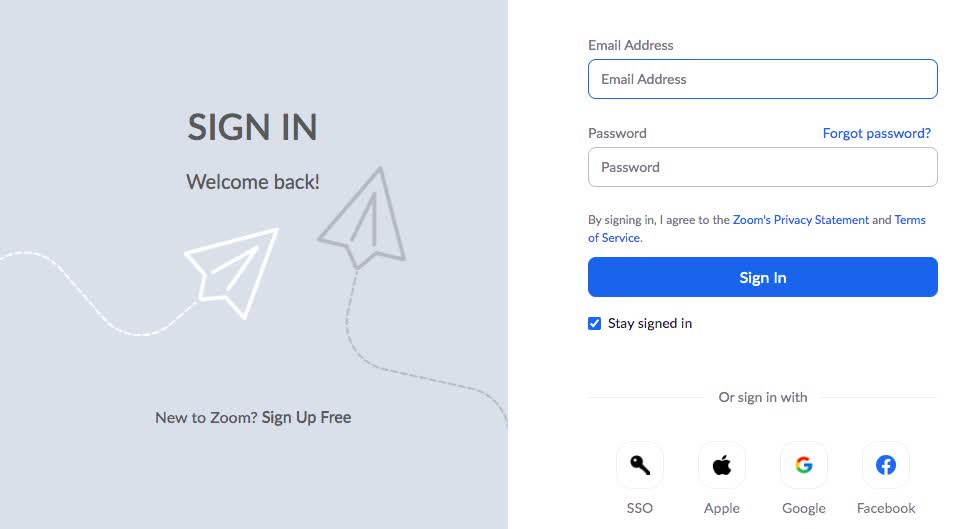
Step 1: Go to Zoom.us and click ‘Log In’.

Step 2: Sign in to your account.
Step 3: On the left side of your screen, click ‘Recordings’.
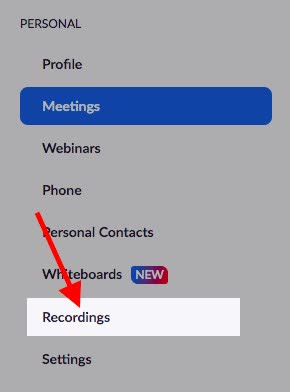
Your recordings saved to the cloud will be located here.
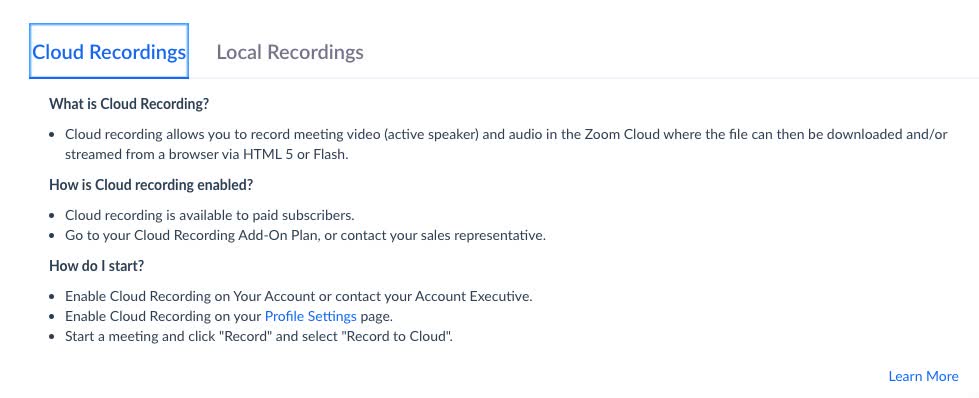
Unless you have a paid Zoom Cloud subscription, there will be nothing here. Refer to the next section to find where your recordings are located on your computer.
Finding the Location Through the Zoom Desktop App
If you're not sure where your recordings are or if you've changed the default path at some point, the Zoom desktop app will show you the exact location.
Open the Zoom desktop app and sign in. Click Meetings at the top of the screen, then click the Recorded tab. Each past recording will be listed along with its File Location. Click Open next to any recording to open that folder directly in your file explorer or Finder.
This is the most reliable method since it reflects wherever Zoom is currently configured to save files, even if you changed the default location at some point.
How to Change Where Zoom Saves Recordings
If you want recordings to go somewhere other than the default Documents folder, you can set a custom path in Zoom's settings.
Open the Zoom desktop app and click the Settings gear icon in the top-right corner. Click Recording in the left sidebar. At the top you'll see "Store my recordings at:" followed by the current file path. Click that path, then select Choose a new location and navigate to whichever folder you prefer. All future local recordings will be saved there.
Where Are Zoom Cloud Recordings?
Cloud recordings are managed through the Zoom web portal rather than the desktop app.
Go to zoom.us and sign in to your account. In the left navigation panel, click Recordings and Transcripts. Click the Cloud recordings tab to see a list of your recordings. From here you can play, share, download, or delete any recording.
If you're an account admin or owner, you can see all cloud recordings across your organization by going to Account Management and then Recording and Transcript Management in the web portal.
Cloud recordings appear in this list once Zoom has finished processing them. Depending on the length of the meeting, this can take a few minutes to an hour after the meeting ends. If a recording isn't showing up yet, wait a short while and refresh the page.
Sharing and Downloading Cloud Recordings
To share a cloud recording, find it in the Recordings and Transcripts page and click Share. Zoom generates a shareable link that you can send to anyone. You can optionally require a passcode or set an expiry date on the link.
To download a cloud recording to your device, click Download next to the recording. Zoom will download the video as an MP4 file.
Where Are Zoom Recordings on iPhone and iPad?
Zoom's mobile app on iOS does not support local recording. If you try to record from the iPhone or iPad app, Zoom will save the recording to the cloud rather than to your device, which means you need a paid Zoom account for recording to work on iOS at all.
To find a recording you made from your iPhone or iPad, go to zoom.us in a browser, sign in, and navigate to Recordings and Transcripts. The recording will appear in the Cloud recordings tab once it has finished processing.
If you want to watch a cloud recording on your iPhone or iPad, you can also open the Zoom mobile app, tap More at the bottom of the screen, and then tap Recordings. This shows your cloud recordings directly within the app.
Downloading Cloud Recordings on iPad
You can download a cloud recording to your iPad by opening the recording link in Safari, which will give you the option to save the video file to your Files app. From there it can be played offline or shared through any app that supports video files.
Where Are Zoom Recordings on Android?
Like iOS, the Zoom Android app does not support local recording to the device. Recordings made from an Android phone are saved to the cloud and require a paid Zoom account.
To access them, go to zoom.us in Chrome on your Android device, sign in, and look for Recordings and Transcripts in the navigation menu. Alternatively, open the Zoom app, tap More, then tap Recordings to browse your cloud recordings without leaving the app.
If you recorded from a computer during the same meeting, that local recording will be on the computer, not on your phone.

Use Notta's AI transcription tool to quickly and easily transcribe your Zoom recordings. We guarantee accuracy and ease of use.
Where are local Zoom recordings on my computer?
If you’re wondering where Zoom saves recordings, here you go. This works for both Mac/Windows.
Step 1: First, you’ll need to download the latest version of the Zoom Client if you don’t have it.
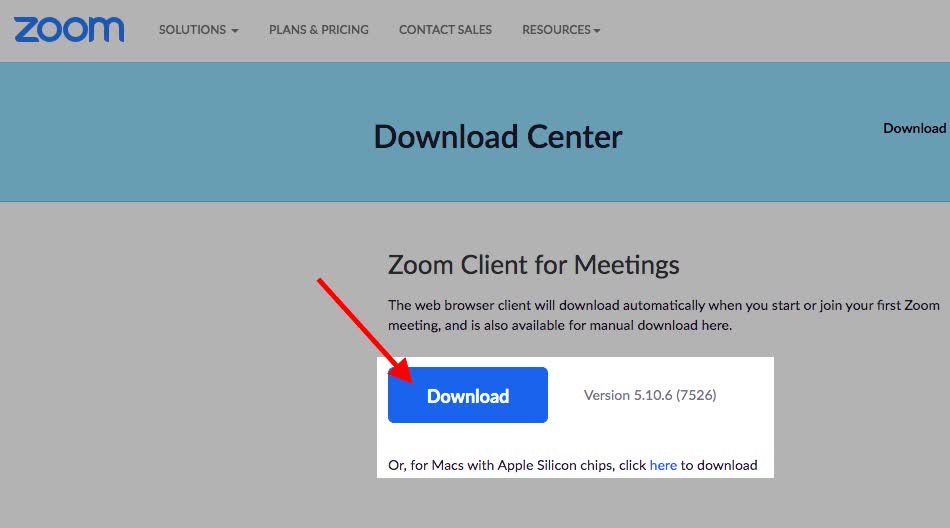
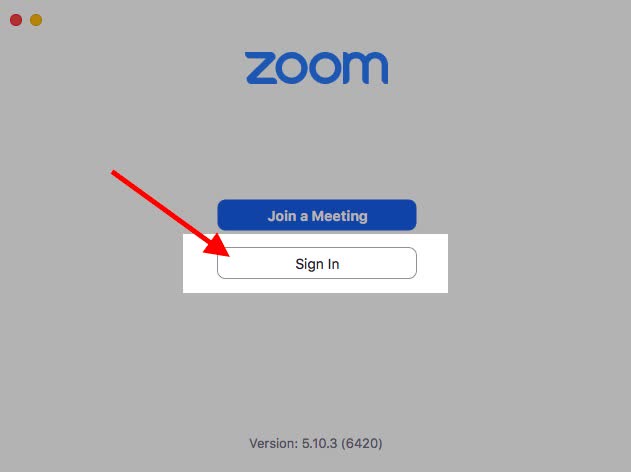
Step 2: Install the client and open the application. Sign in to your Zoom account on the client.
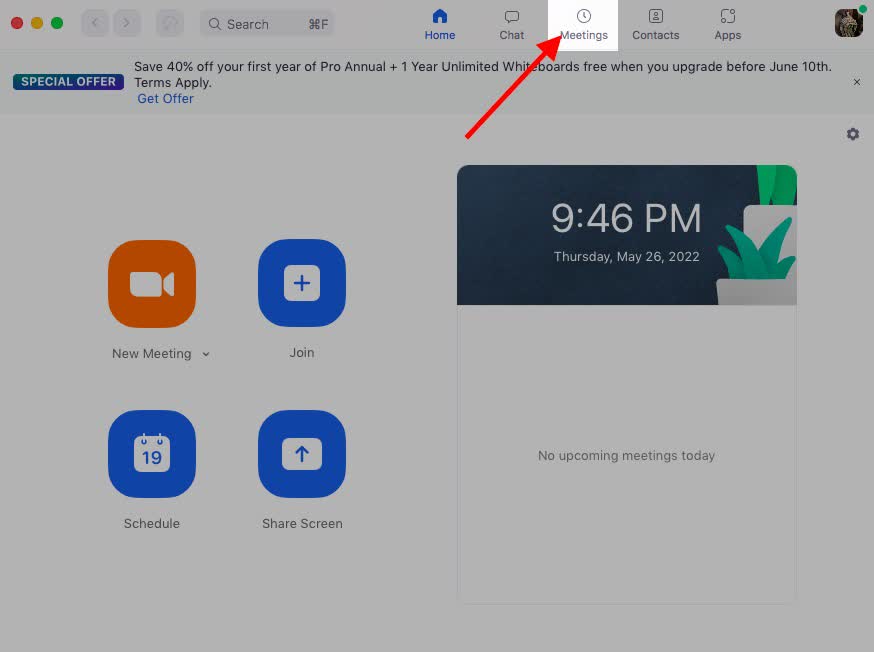
Step 3: Click ‘Meetings’ at the top.
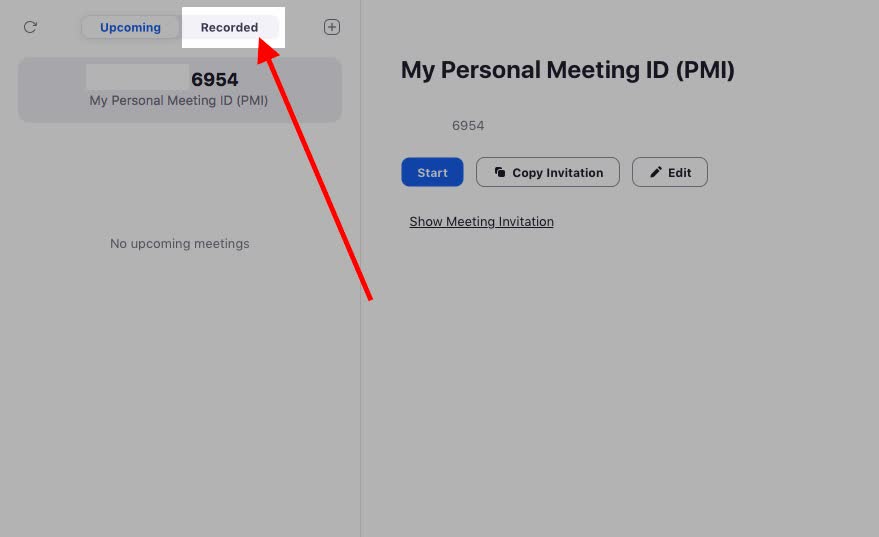
Step 4: Click ‘Recorded’.
Step 5: You will see the location of each of your recordings under “File Location”.
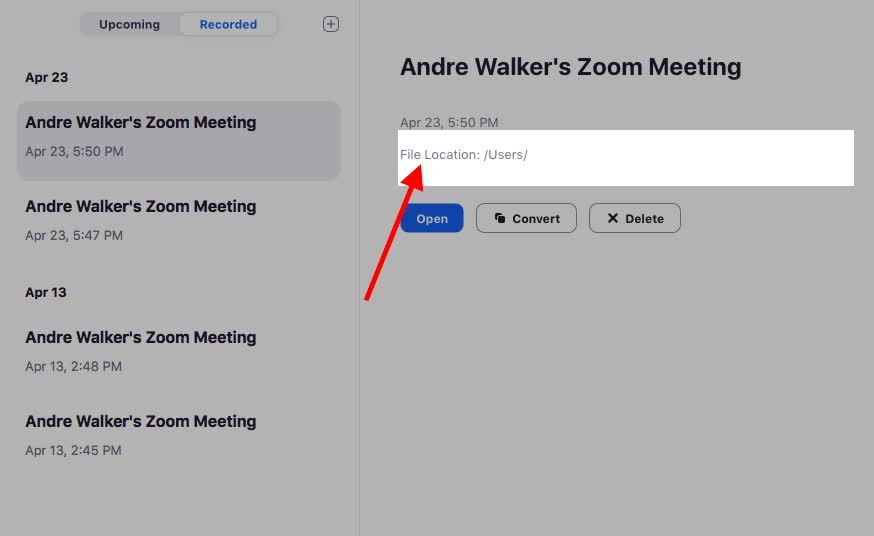
Step 6: Click ‘Open’.
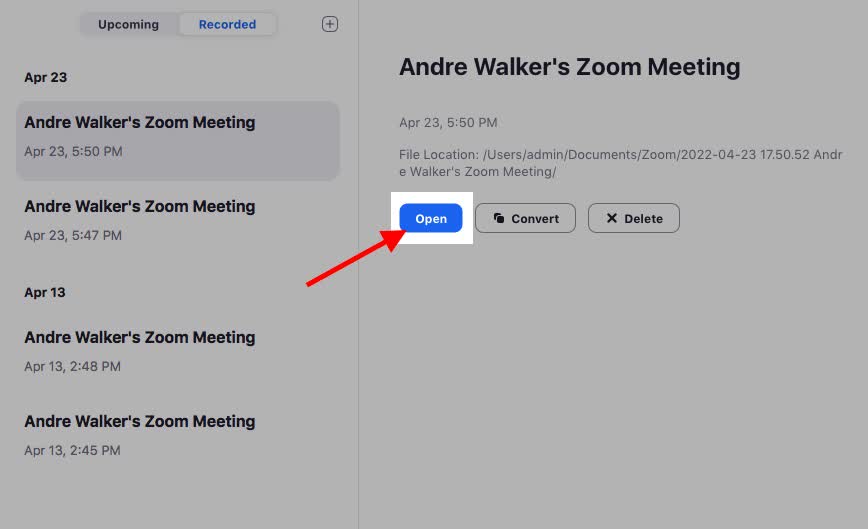
This will open a folder containing your Zoom recordings. You can save a shortcut to this folder on your desktop to always have your recordings within reach.
Where are the Zoom recording settings?
Let’s take a look at where to find your Zoom recording settings.
Step 1: Make sure you have the latest version of the Zoom Client.
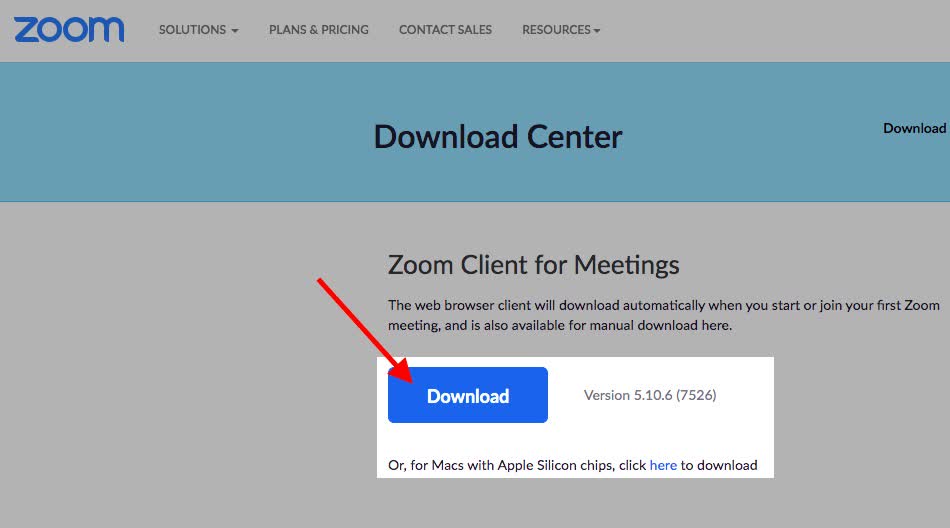
Step 2: Open the Zoom client and Sign In.
Step 3: Click ‘Home’ if it doesn’t bring you there automatically.
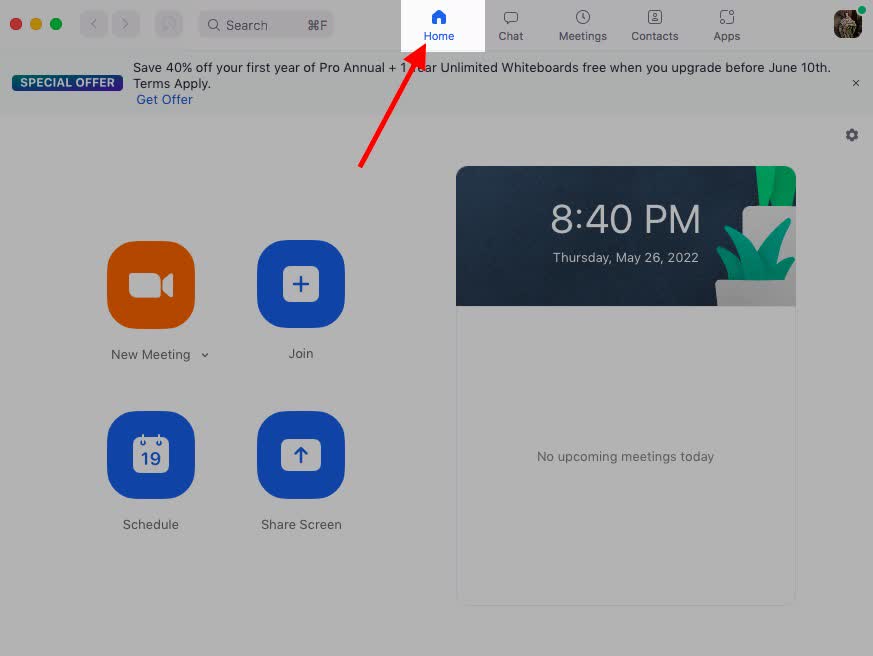
Step 4: Click ‘Settings’ on the top right.
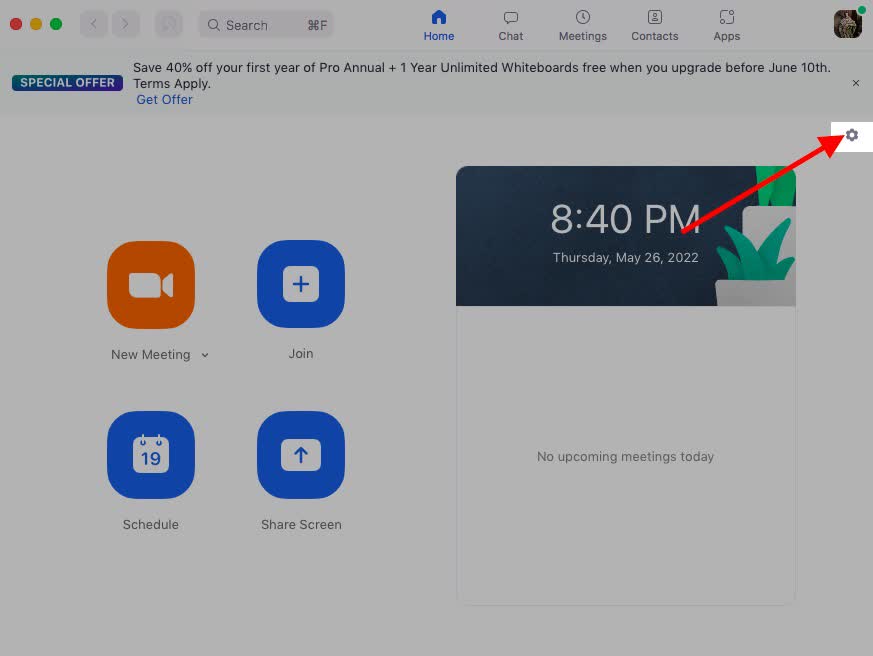
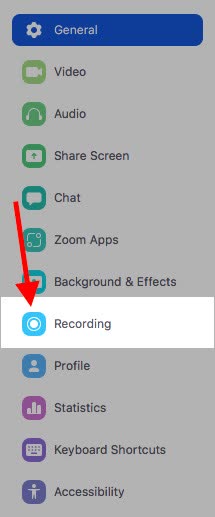
Step 5: Click ‘Recording’ on the toolbar to the left.
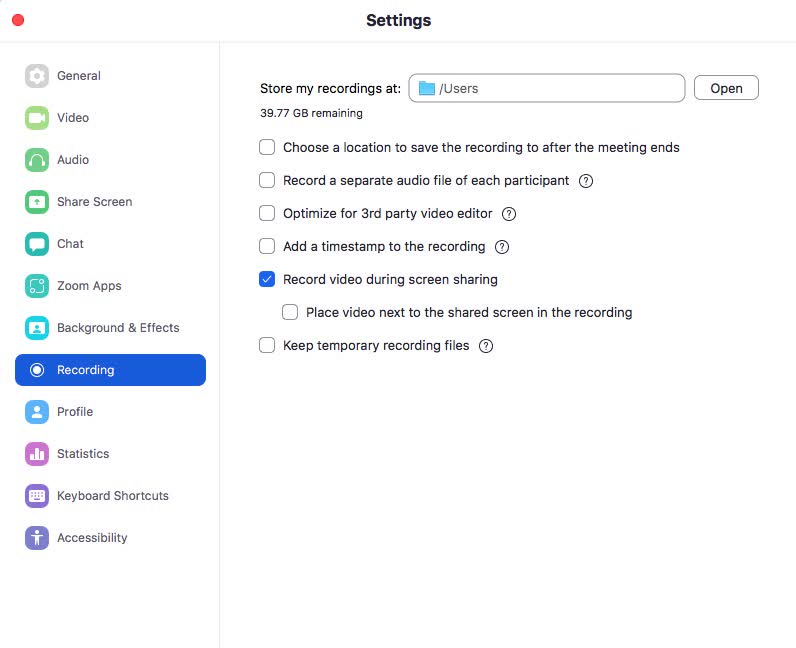
You can modify your recording settings from this page.
How to customize your local recording file path
Let’s take a look at setting a custom place for your recordings to be saved on your computer.
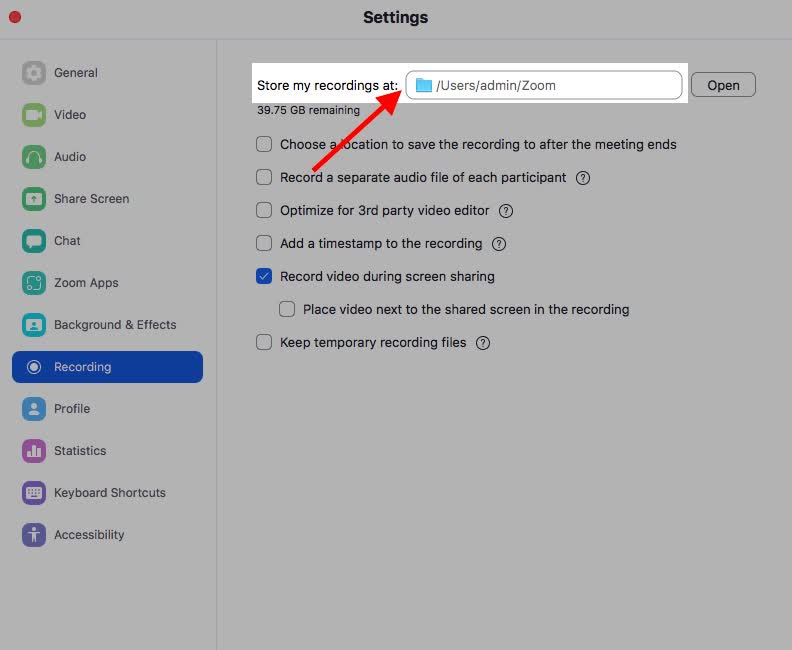
Step 1: Follow the steps above for “Where Are the Zoom Recording Settings?”. At the top, you will see “Store my recordings at:”. This is where your recordings are currently being saved.
Click on the file path that is shown.
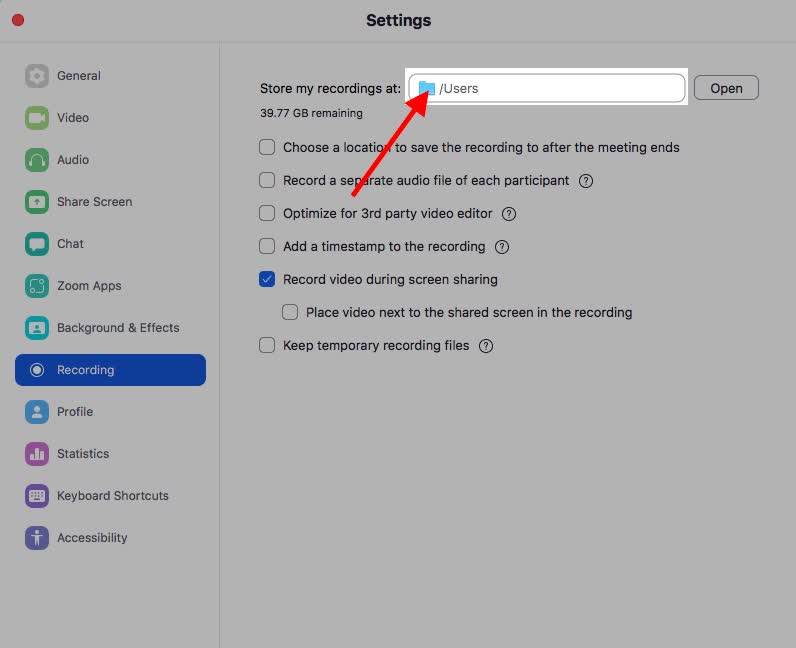
Step 2: Click ‘Choose a new location…’.
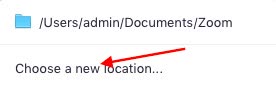
Step 3: Navigate to the folder you want your Zoom recordings to be saved to and click ‘Choose’. Now you will see the new file path after “Store my recordings at:”.
Notta offers the most integrated AI meeting notes, summaries, and action items so nothing gets missed.
How to save, play, share, and download Zoom recordings
In this section, we’re going to look at how to access a Zoom Recording in a few different ways.
Save
Step 1: When you’re ready to start recording in a Zoom meeting, click ‘Record’ on the action bar.

Step 2: After the meeting ends, the recording will be automatically saved to your computer.
Step 3: For a Cloud Recording, follow the steps above for “Where Are Zoom Recordings in the Cloud?” to find your recording.
For a Local Recording, follow the steps above for “Where Are Local Zoom Recordings on My Computer?” to find your recording.
Play
Cloud recording:
Step 1: Sign in to your account on Zoom.
Step 2: Click on ‘Recordings’ to the left.
Step 3: Click ‘Play’ on the recording you want to view.
Local recording:
Step 1: Follow the steps above for “Where Are Local Zoom Recordings on My Computer?”.
Step 2: Double-click the highlighted folder to open it.
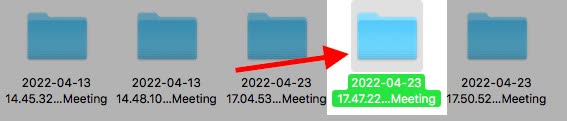
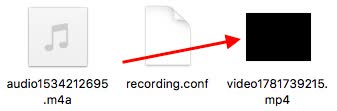
Step 3: You will have 3 files in this folder. Double-click on the .mp4 file to play the video.
Share
Cloud recording:
Step 1: Sign in to your account on Zoom.
Step 2: Click on ‘Recordings’ on the left toolbar.
Step 3: Find your desired recording and click ‘Share’.
Local recording:
Step 1: Follow the steps above for “Where Are Local Zoom Recordings on My Computer?”.
Step 2: Double-click the highlighted folder to open it.
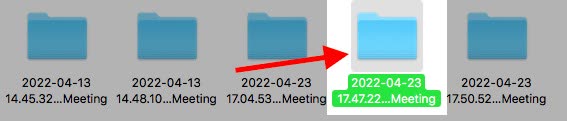
Step 3: The .mp4 file contains the video you will share with others. Upload this file to a video streaming site such as YouTube, Google Drive, Dropbox, or Vimeo. You will get a link that you can share with others.
Download
If you have a Zoom Cloud account, you can download your recordings from their website.
Step 1: Go to Zoom and sign in.
Step 2: Click on ‘Recordings’ on the left side of the screen.
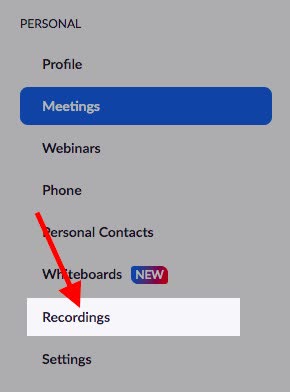
Step 3: Find the recording that you want to download and click ‘Download’.
Can't Find Your Zoom Recording? How to Recover It
There are a few common reasons a recording goes missing, and most of them have a fix.
The recording may not have actually started
This catches a lot of people out. In Zoom, recording doesn't start automatically unless the host has enabled automatic recording in their account settings. If you pressed Record and then navigated away from the meeting window, or if you started recording late, part of the meeting may not have been captured.
To confirm whether a recording was started, check your computer's Zoom folder for a partial file, or in the Zoom web portal look for the recording under Recordings and Transcripts. If there's nothing there, it's likely the recording never started or was stopped early.
The local recording is in a different folder
If you changed your recording location at any point or if someone else set up Zoom on your device, the files may be somewhere other than the default Documents folder. Check the Zoom desktop app under Meetings > Recorded to see the exact file path where Zoom saved the recording, then navigate there manually.
The cloud recording may be in the trash
Zoom keeps deleted cloud recordings in a trash folder for 30 days before permanently deleting them. If you deleted a cloud recording by accident, sign in to zoom.us, go to Recordings and Transcripts, and look for a Trash option. You can restore recordings from there within that 30-day window. After 30 days, they are permanently removed.
Local recordings may be in your computer's recycle bin
If a local Zoom recording was deleted from your computer, check your Recycle Bin (Windows) or Trash (Mac) before assuming it's gone. If it's there, you can restore it to its original location.
The recording was started by a co-host
In Zoom, cloud recordings initiated by a co-host only appear in the host's recording list in the web portal, not in the co-host's own account. If you were a co-host and can't find the recording, ask the meeting host to check their Recordings and Transcripts page and share the file or link with you.
Discover one of the best Zoom Apps - Notta. Elevate your Zoom experience with our transcription and note-taking capabilities.
FAQs
Why is my Zoom cloud recording not showing up?
Cloud recordings take time to process after the meeting ends. For a one-hour meeting, it can take 30 minutes or more before the file appears in your Recordings and Transcripts page. If it still hasn't appeared after a few hours, check that you have a paid Zoom account since free accounts cannot save cloud recordings. Also confirm that recording was actually started during the meeting.
Where are Zoom recordings saved on Mac by default?
On Mac, Zoom saves local recordings to /Users/[YourUsername]/Documents/Zoom. Each meeting is stored in its own subfolder named by date and meeting title. You can also confirm the exact path by opening the Zoom desktop app, clicking Meetings, selecting the Recorded tab, and checking the File Location listed for each recording.
Do Zoom cloud recordings expire?
Yes. Zoom cloud recordings are subject to the storage limits of your account plan. Zoom may also enforce automatic deletion policies depending on your plan. Deleted cloud recordings are held in the trash folder for 30 days and are then permanently deleted. If long-term archiving matters to you, download important recordings to your computer or upload them to an external storage service like Google Drive or Dropbox.
Can I access Zoom recordings without the desktop app?
Yes. Cloud recordings are accessible entirely through the Zoom web portal at zoom.us without needing the desktop app installed. For local recordings, you need to know the file path on your computer, but once you navigate there in File Explorer or Finder you can open, copy, or share the MP4 file without the Zoom app.
What file format are Zoom recordings saved in?
Local Zoom recordings are saved as MP4 files for video, M4A files for audio-only recordings, and TXT files for in-meeting chat transcripts. All three files appear in the same meeting folder. The MP4 file is the one to share or upload when you want others to watch the meeting.
Final thoughts
Now that you know where your Zoom recordings are, you can upload them to Notta. Notta is a voice-to-text application that will accurately transcribe your Zoom meeting. Check out our step by guide on How to Transcribe Zoom Meetings and Recordings!

